


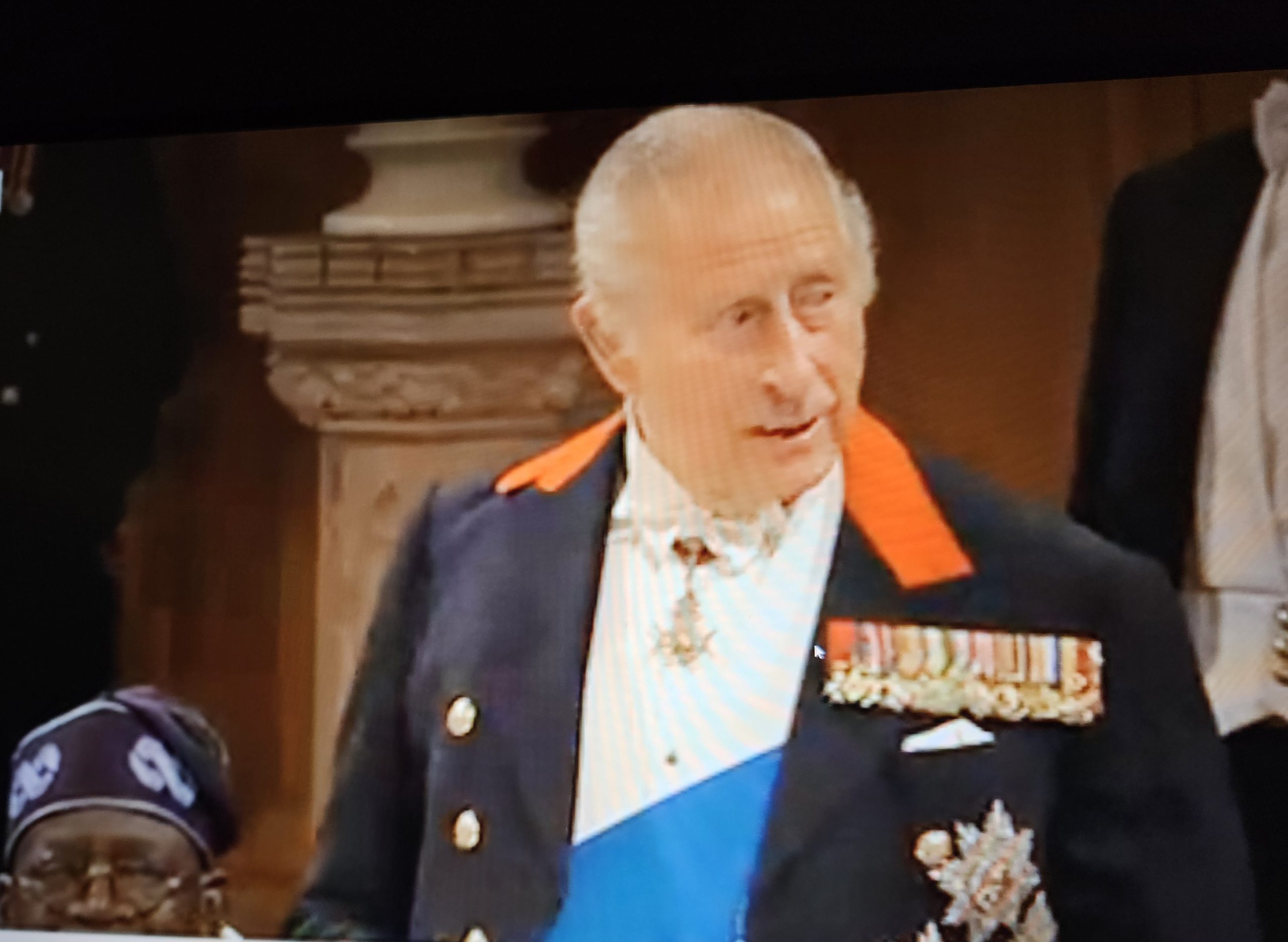
King Charles has arrived in the Bahamas as part of a nine-day tour of the Caribbean—his first visit to the region in his capacity as monarch. In a speech delivered there, he expressed regret over past events, effectively offering an apology on behalf of the nation.
In recent years, the United Kingdom has increasingly begun to apologize for its past. Frequently criticized, particularly regarding the history of slavery, the UK—through King Charles—consistently addresses this history whenever he visits an African nation, attempting, in a sense, to erase the country’s past. Yet, these very apologies also underscore the reality that the past cannot truly be erased.
The fact that King Charles shows such boldness regarding a past that we ourselves might not even be able to admit—or perhaps cannot even bring ourselves to contemplate—is a significant detail, both for the UK and for us.
Looking back at history, there is no nation without its own sins. However, sometimes the developments that emerged alongside these transgressions also contributed to the advancement of those nations. Without the influence of powers like the United Kingdom, the Netherlands, Spain, and France—that is, without imperialism—it might not have been possible for many countries around the world to encounter modernity and technology. While these nations may have paid a heavy price for imperialism, they also gained access to the levels of development found in the West.
If countries like Australia, New Zealand, Canada, and even the United States are today considered among the most prosperous and democratic nations in the world, it is because they were able to turn imperialism to their own advantage. Most African nations were unable to achieve this, yet they did succeed in becoming independent, sovereign states—an outcome they also owe, in part, to the very existence of imperialism.