



We asked AI what the difference was between Trump and Keir Starmer.
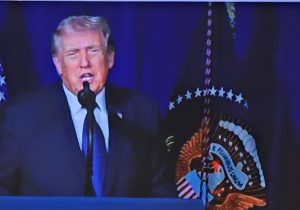
Trump is rambling on again. This time, he compared Starmer, who doesn’t support Israel and Trump’s Iran adventure, to Winston Churchill, one of his classic nonsensical speeches. That’s precisely why following Trump would be one of the biggest catastrophes for a country.
The Churchill and Starmer eras are completely different. One came to power immediately after World War II, and there was Hitler, a scourge on the world. He began invading many countries in Europe, including Russia, after annihilating millions of Jewish citizens. Multiple countries were involved in that war. Churchill didn’t violate international law by acting on behalf of any country. His name and photos weren’t in the Epstein files. He wasn’t held captive by any country. He defended his own country’s interests. He played a historic role in the defeat of Germany and Hitler.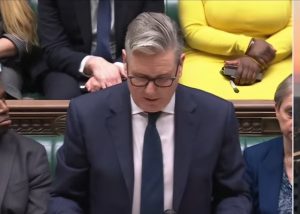
Now Trump is targeting Israel and threatening his own country. Starmer isn’t in the midst of a world war. He has to defend his own country’s interests, not those of Israel or America. He’s not following a madman like Trump; he has to pursue intelligent policies and keep his people and country out of war. Because a war with Iran would benefit no one in the world except Israel. Trump doesn’t have the intellectual background to understand history. If he did, he wouldn’t dare compare Starmer and Churchill. There’s no world war now. There’s a USA threatened by Israel, spending its own people’s taxes for its interests, and sending its own people’s children to war.
Below you can see the AI comparing Starmer and Churchill. Trump should see it too, but he’s currently blind to everything.
Keir Starmer
Leader of the Labor Party since 2020 and Prime Minister of the United Kingdom since July 2024.
Former lawyer and head of the Crown Prosecution Service before entering politics.
Starmer represents a modern centre-left, managerial, and legalistic approach, focusing on stability and competence.
Winston Churchill
A long-serving Conservative statesman, Churchill was Prime Minister during World War II (1940–1945) and again from 1951 to 1955.
Came from an aristocratic background, was a soldier, journalist, and prolific writer before politics.
Held many high offices across decades (including First Lord of the Admiralty and Chancellor of the Exchequer).
🌍 2. Leadership Style
starmer
Seen more as a pragmatic, cautious, consensus-seeking leader who emphasizes legality and negotiation in foreign and domestic policy.
Critics argue he can be seen as less charismatic or decisive, especially compared with iconic predecessors, and he has faced early leadership challenges.
Churchill
Famous for fiery rhetoric, bold decision-making, and inspirational leadership, especially during Britain’s darkest hours in World War II.
His speeches and relentless drive to “fight on” are credited with sustaining British morale.
Churchill is often ranked among Britain’s most influential Prime Ministers because of his wartime role.
🪖 3. Historical Context & Achievements
starmer
Governs in peacetime with priorities on economic stability, public services, and foreign policy balancing.
His leadership has seen tense moments in diplomacy (e.g., UK–U.S. relations over Middle East policy), with some critics comparing his style unfavorably to Churchill’s, though that comparison reflects symbolic contrasts rather than similar contexts.
Churchill
Became Prime Minister at one of the gravest existential threats to the UK, leading a coalition during World War II.
Credited with shaping Allied strategy and forging crucial ties (e.g., with the U.S.) that helped secure victory over Nazi Germany.
After the war, he famously warned about Soviet expansion (the “Iron Curtain”) and influenced postwar Western alliances.
📊 4. Public & Historical Perception
starmer
Polls show mixed views of his premiership compared with other modern leaders, with some Britons thinking earlier leaders performed better.
His style is often described (by supporters and critics alike) as sober and managerial rather than patriarchal or heroic.
Churchill
Frequently voted among the UK’s greatest prime ministers due to his wartime leadership, though his wider legacy is debated (some policies and views have been criticized in recent years).
🧠 Summary of Key Differences
Feature Keir Starmer Winston Churchill
Era Modern UK (2020s) World War II and early Cold War
Leadership Style Pragmatic, legalistic Inspirational, decisive
Key Moment Peacetime governance Survival & victory in WWII
Public Legacy Still evolving Iconic, widely remembered
Political Background Lawyer → Party leader → PM Soldier → Politician → PM
In short, despite occasionally being compared (sometimes critically by rivals) to Churchill — especially on foreign policy — Starmer and Churchill represent very different leadership types shaped by starkly different historical eras. Churchill’s reputation rests largely on wartime resolution and rhetoric, while Starmer’s leadership is defined by modern governance, coalition management, and incremental policymaking.