

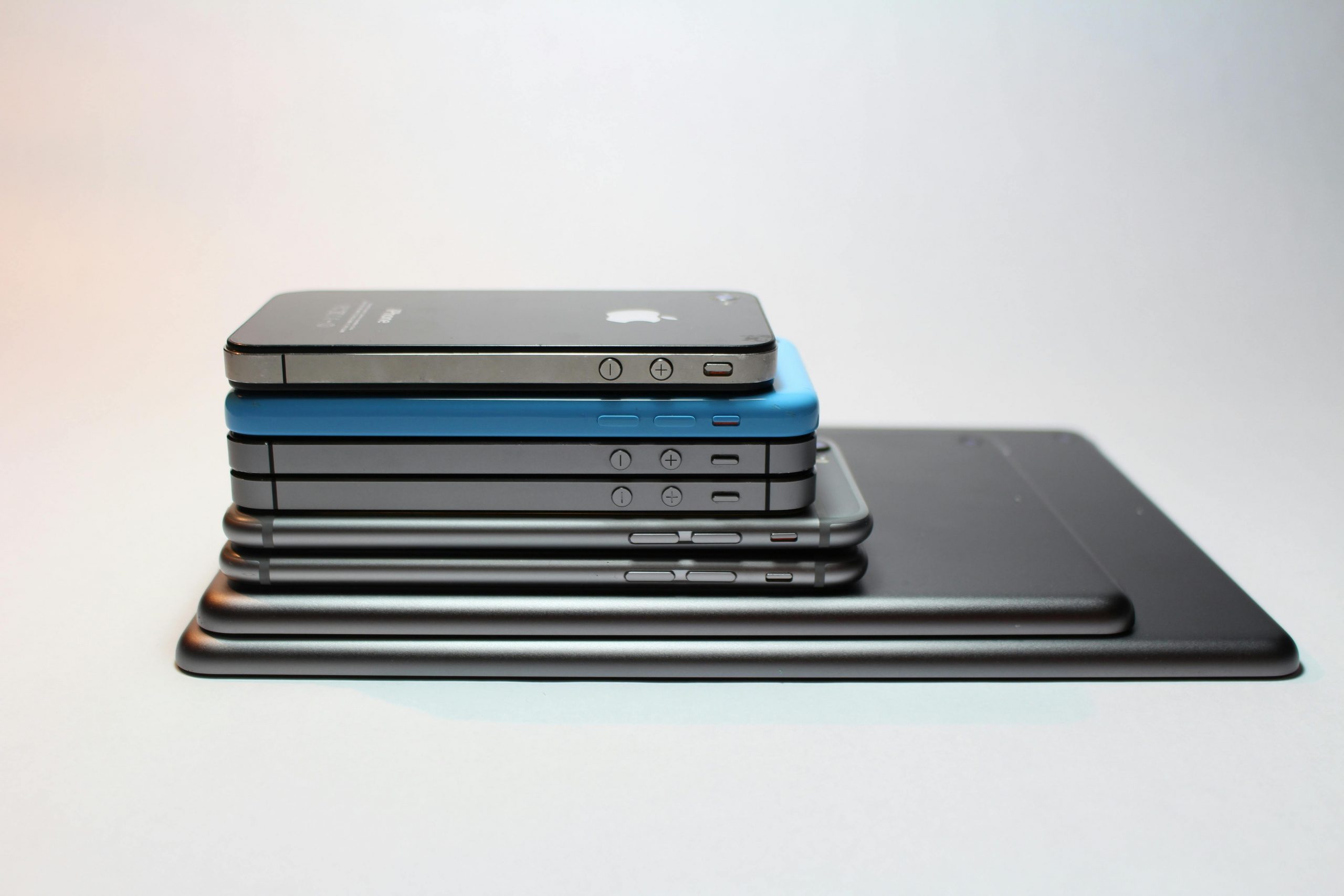
It feels like Apple releases “the same phone” every year, but there are real reasons behind their approach — even if the improvements seem small on the surface. Here’s what’s actually going on:
1. Apple uses an incremental innovation strategy
Apple prioritizes small, steady improvements rather than drastic redesigns.
Why? Because it reduces risk. Radical changes introduce more manufacturing issues, software bugs, and user adjustment problems. Consistency keeps things stable.
2. Their business model relies on long hardware cycles
Most iPhone owners keep their phones 3–5 years.
So each year’s model doesn’t need to blow people away — it just needs to be better enough for those whose older devices are ready for an upgrade.
In other words: the competition is not last year’s iPhone; it’s your 3–4-year-old one.
3. Design consistency keeps ecosystems unified
Apple intentionally keeps:
-
the same overall shape
-
similar button layouts
-
similar screen dimensions
This means cases, accessories, repair parts, apps, and UI behavior remain consistent — which is very appealing to both consumers and developers.
4. The big changes are usually internal, not cosmetic
You’ve probably seen this pattern:
-
New chip → faster than last year
-
Better camera sensors
-
Slightly larger battery
-
Better modem
-
New computational photography tricks
-
Small display or brightness improvements
These aren’t flashy changes, but cumulatively they matter.
5. Apple markets refinement as innovation
Apple’s marketing style highlights polishing and optimizing rather than reinventing.
“Best iPhone ever” basically means “it’s slightly better than last year — as expected.”
Other brands often do cosmetic redesigns to look new each year. Apple focuses on component upgrades instead of external transformations.
6. Major redesigns happen on long cycles
Typically:
-
Big redesign every 4–5 years
-
Minor annual refreshes in between
This happened with:
-
iPhone 6 → 6S → 7 → 8
-
iPhone X → XS → 11 → 12
-
iPhone 12 → 13 → 14 → 15
The “same look” is deliberate — not laziness.
7. Familiarity sells
If you make a phone that hundreds of millions of people use daily, you can’t shock them every year.
Familiar = reliable = easy to adopt.
So why does it feel like nothing changes?
Because Apple optimizes for:
-
user experience consistency
-
manufacturing efficiency
-
long-term device lifespan
-
ecosystem compatibility
These priorities produce minor annual changes rather than bold redesigns.