


People sometimes use more cigarettes or alcohol even when prices rise because of a mix of psychology, addiction biology, and economics. This effect is known as inelastic demand — but the reasons behind it are more interesting than the economics alone.
Here’s the breakdown:
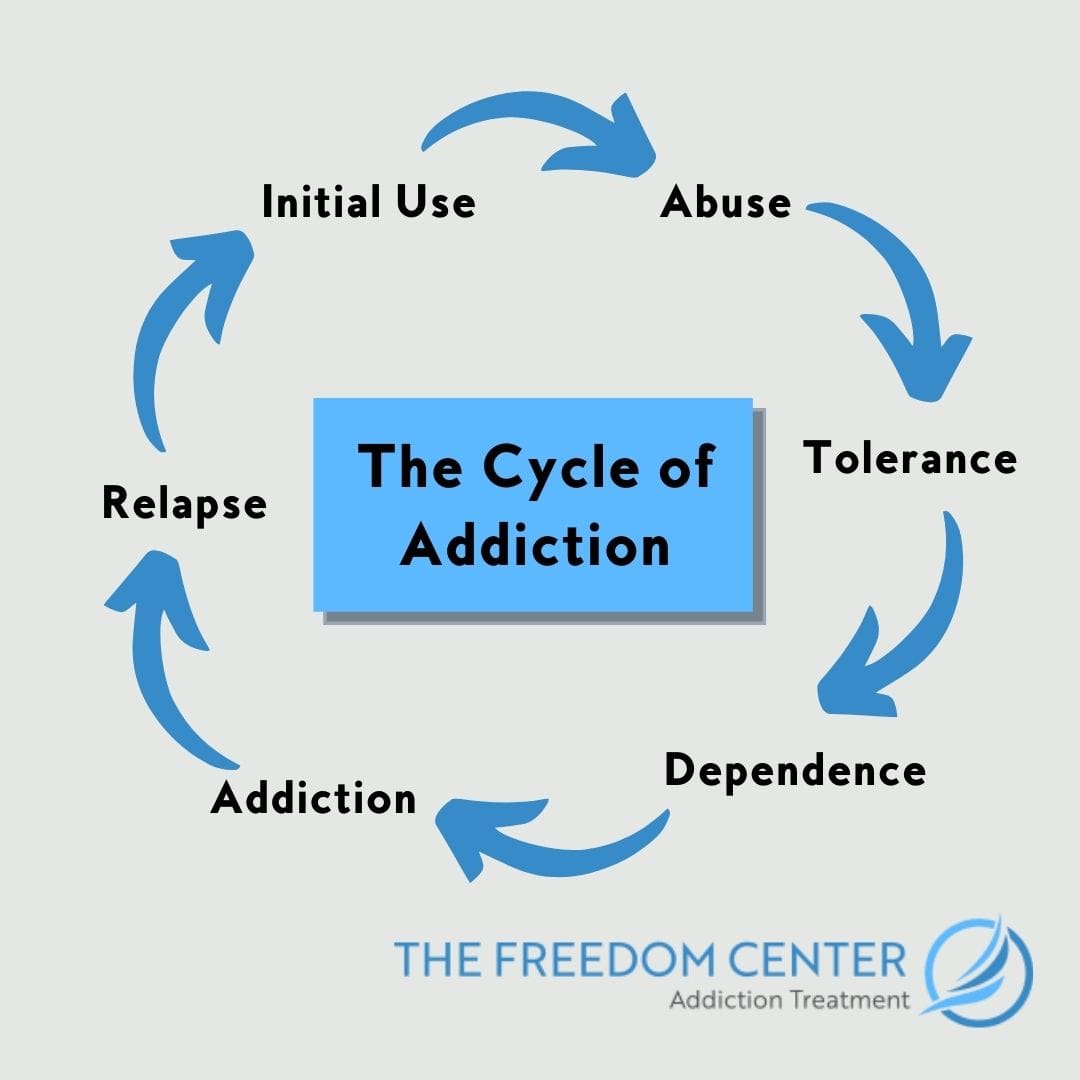

1. Addiction overrides normal price sensitivity
Nicotine and alcohol change brain chemistry, especially in pathways related to reward, stress relief, and withdrawal avoidance.
When the body becomes dependent:
-
Consumption becomes compulsive, not purely voluntary.
-
The goal shifts from “enjoy this” to “avoid feeling awful.”
Because withdrawal feels bad, people may keep buying the substance even at higher prices, sometimes cutting other expenses instead.
2. Stress increases consumption — and price increases can cause stress
Price hikes can worsen financial strain, and for people who already use substances to cope:
-
Stress from money problems → more smoking/drinking
-
This leads to the paradox: the more expensive it gets, the more they turn to it for relief.
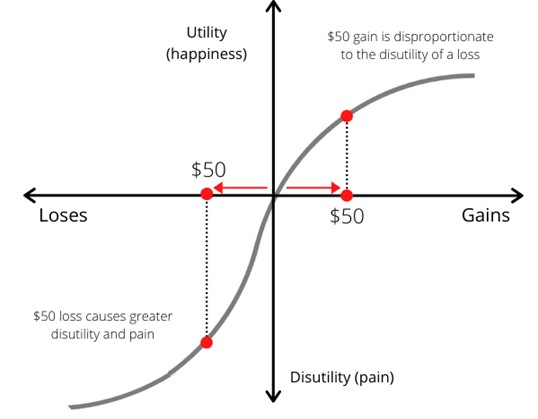
3. “Sunk cost” and loss aversion
Some users think:
-
“I’m already spending so much… cutting back won’t make a difference.”
-
Or: “Stopping will make my past spending pointless.”
These mental biases can reinforce use instead of reducing it.
4. Misperceived savings
People may try to “get their money’s worth” from what they buy:
-
Buying larger quantities because of discounts
-
Switching to cheaper, more harmful products
-
Drinking heavily at home instead of moderately at bars
It feels economically rational even when it isn’t.
5. Strong habits are hard to break
Smoking and drinking are often tied to:
-
Social routines
-
Work breaks
-
Rituals (evening drink, morning cigarette)
Higher prices don’t disrupt these habits; they may even increase cravings due to frustration.
6. For some, consumption does fall — but not for heavy users
Research shows:
-
Light and moderate users reduce consumption when prices rise.
-
Heavy, dependent users do not, because demand is highly inelastic for them.
So the group most affected by addiction ends up demonstrating the paradoxical effect.
Summary
People may use more cigarettes or alcohol as prices increase due to:
-
Addiction-driven inelastic demand
-
Stress responses
-
Cognitive biases
-
Deep habits
-
Withdrawal avoidance
In short: addiction changes how the brain responds to both stress and price.
If you want, I can also explain: